Temperature mapping: where to place sensors in a cold room or warehouse
A temperature mapping study shows how temperature is distributed across a storage area and defines where permanent monitoring sensors should go.
Equipo Lynks · · 5 min read
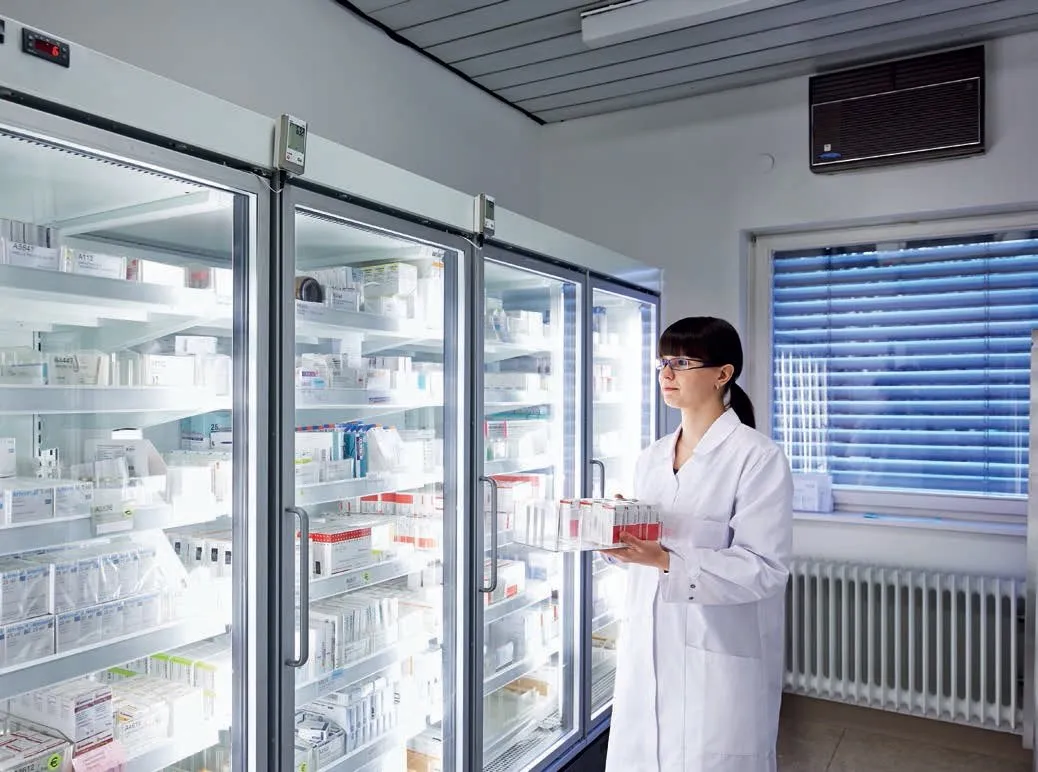
A cold room or medicine warehouse does not have the same temperature everywhere. Near the door, next to the evaporator, in corners or on high shelves, there can be differences of several degrees. Temperature mapping is the study that reveals those differences and answers a key question: where should the monitoring sensors go?
What temperature mapping is
It is the simultaneous measurement of temperature (and humidity, where relevant) at many points in a space over a representative period, usually several days covering working hours, nights and weekends. Reference guidance such as the World Health Organization technical supplement on temperature mapping of storage areas (Technical Report Series 961, Annex 9) describes how to plan and document it.
When to do it
- Before using a new cold room, fridge or warehouse.
- After major changes: new shelving layout, new refrigeration equipment or renovation.
- Periodically, and across seasons when outside weather has an influence.
How to plan it
- Draw the space in three dimensions: length, width and height, with shelves, doors and cooling units.
- Lay out a grid of sensors at several heights, including corners, near doors, near the evaporator and loading areas.
- Record for several days at a frequency that captures compressor cycles and door openings.
- Include stress tests where relevant: prolonged door opening and power outage, to learn how much time you have to react.
What the study delivers
- The space’s hot and cold spots.
- Areas that should not be used for sensitive products.
- The recommended location of permanent monitoring sensors, usually at the most critical points.
- Recovery time after a door opening or power outage, useful for the contingency plan.
From mapping to continuous monitoring
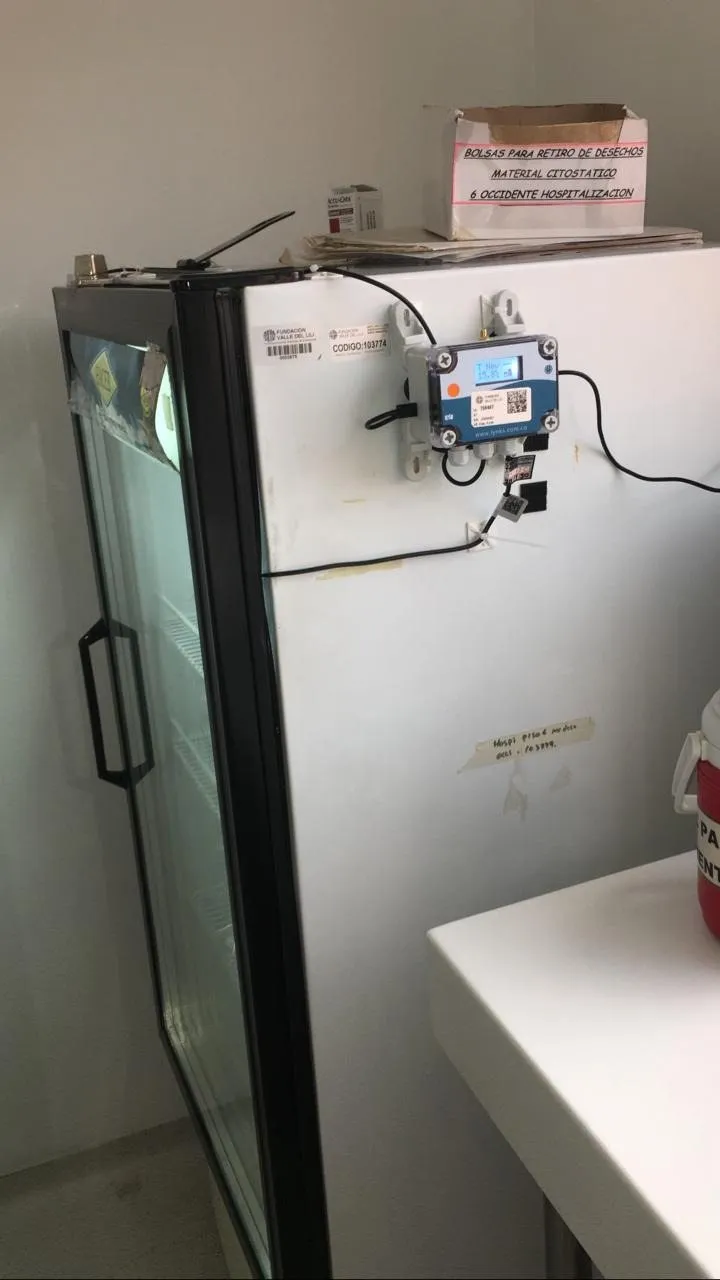
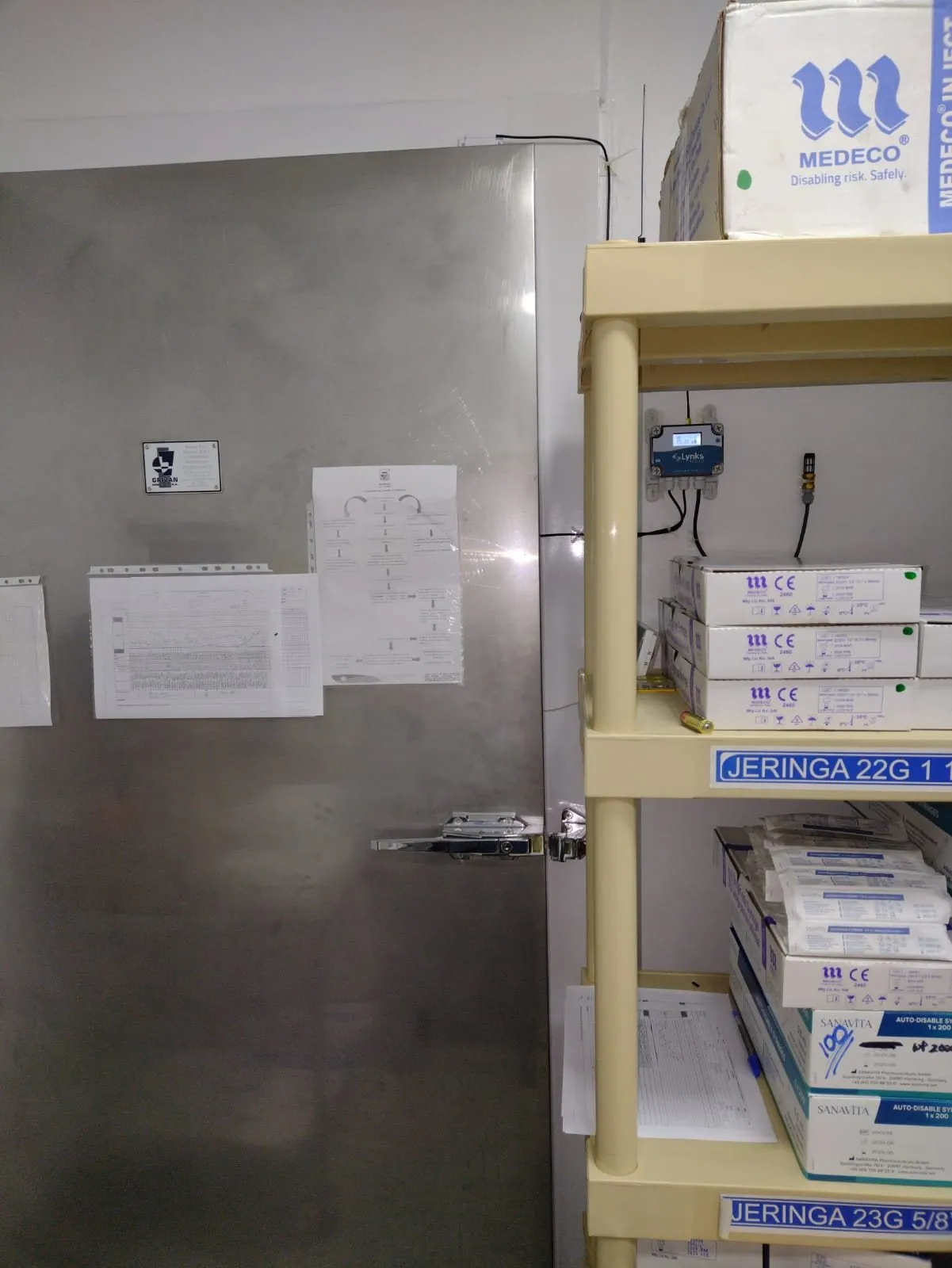
Mapping is a snapshot; monitoring is the movie. Once critical points are defined, LYNKS COLD units continuously record temperature, humidity and door openings, and alert the person in charge of any deviation. LYNKS BI historical data also serves as evidence for the next mapping.
Need to monitor a cold room or warehouse? Book a demo.