Soil water potential: the most direct way to know when to irrigate
What a soil water potential sensor measures, how to read its kPa values and how to turn them into an irrigation traffic light per field.
Equipo Lynks · · 5 min read
Irrigating by calendar is easy to organize, but it ignores that every field has different soil, crop stage and rainfall. Soil water potential (matric potential) answers the question that matters: how hard is it for the plant to pull water from the soil right now?
What soil water potential is
It is the force with which the soil holds water, expressed in kilopascals (kPa) as a negative number. The drier the soil, the more negative the value and the more energy the roots need to take up water.
- Near 0 kPa: saturated soil; there may be excess water and too little air for roots.
- Moderately negative values: the crop’s comfort zone.
- Very negative values: the crop starts to suffer water stress.
Exact thresholds depend on the crop, soil texture and sensor depth, so they are configured per field together with the agronomy team.
Why measure it rather than just moisture
A volumetric moisture sensor tells you how much water is in the soil, but the same moisture percentage means different things in sandy and clay soils. Soil water potential measures how available that water is to the plant, which makes irrigation decisions easier to interpret. Granular-matrix sensors such as Watermark are rugged, low-maintenance and suitable for permanent field installations.
From data to a traffic light
In LYNKS BI each field is classified by its current value and trend:
- No irrigation needed: water is available.
- Losing water: potential is dropping day by day; time to plan.
- Irrigation point: this is the right moment.
- Urgent irrigation: the crop is already at risk of stress.
Using the last five days, the platform also estimates how many days are left until the irrigation point, or how many days it was missed by, so you can plan irrigation for the whole farm ahead of time.
Installation best practices
- Place sensors in the active root zone, ideally at two depths.
- Choose representative spots, away from edges, roads and waterlogged areas.
- Ensure good sensor-to-soil contact during installation.
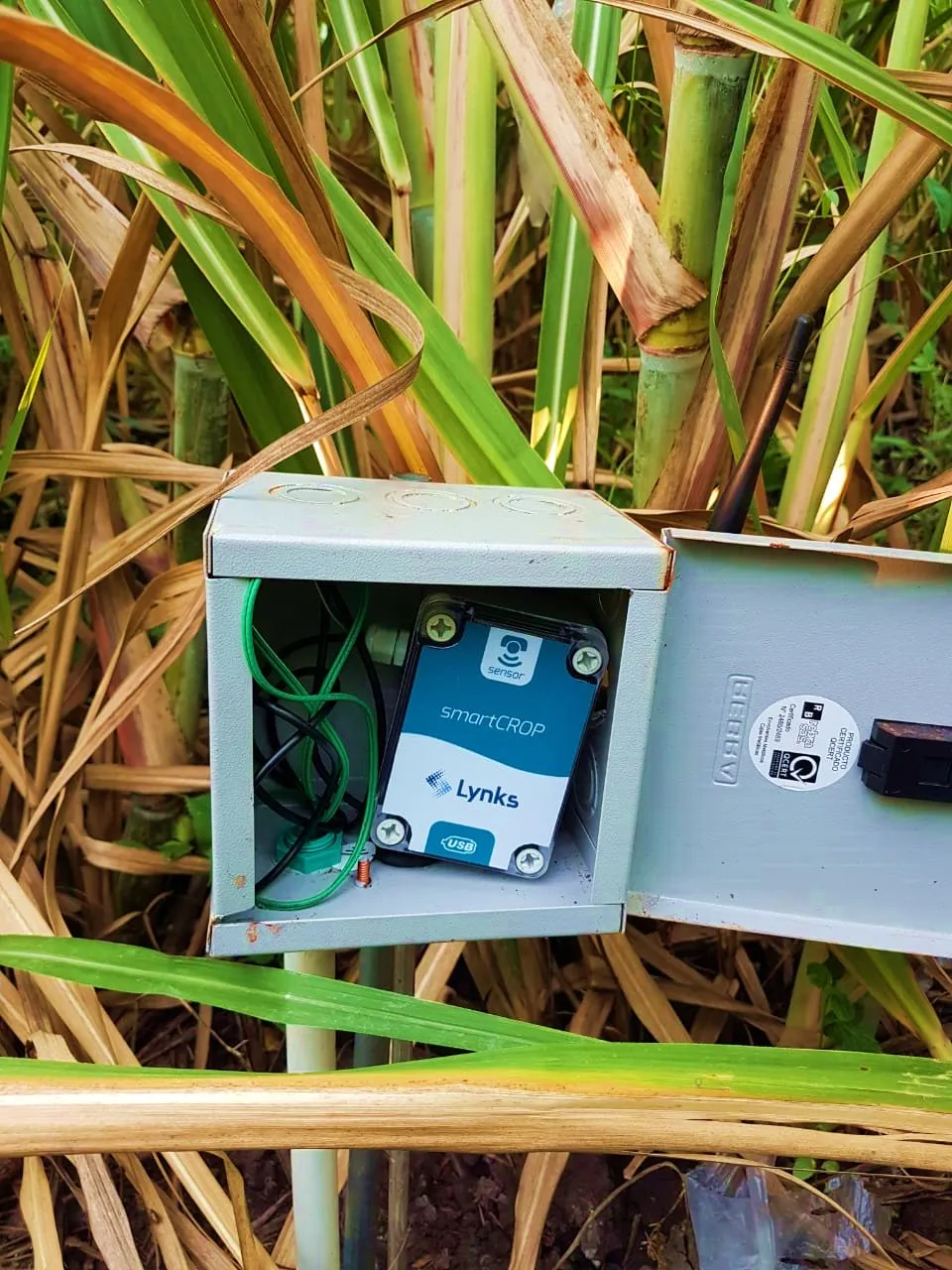
- For many points, a LoRaWAN network with a central gateway lowers costs and allows long battery life.
Want to see the irrigation traffic light in action? Book a demo.